The coiled basket technique has been used for many thousands of years, with artisans using various native materials and tools. The use of pine needles in the coils dates back to at least American civil war times and the technique was even used to create hats when other hat materials were sparse. Pine needle basketry is also said to have roots in Native American culture. It is used and taught by numerous southeastern tribes including Choctaw, Seminole, Coushatta, and Cherokee.
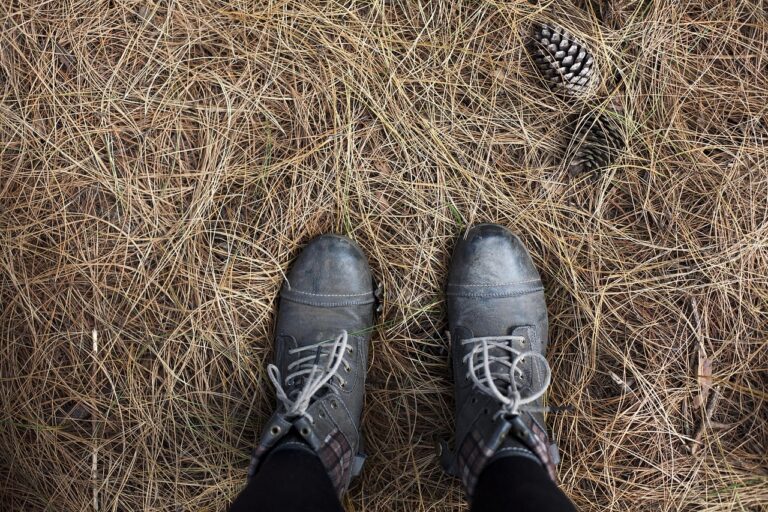
Each basket is made from pine needles that are usually harvested from the ground after falling naturally. The binding shaft is removed from the tip and the needles are soaked in hot water to clean and soften before using. They are then formed into a coil beginning with a small bundle, with new needles being added one at a time. The center may begin with various materials such as pine needles, wood, shells, or palm sheaths. The coils are woven together using artificial sinew thread, beginning from the center and radiating out as needles and stitches are added. The baskets are finished with a coat of bee’s wax and orange oil or polyurethane to preserve the needles.