Pine Needle Basketry: An Ancient Craft Woven with Patience and Story

pine corn 4947530 1280

Pine needle basketry is more than a functional art form. It is a practice rooted in history, culture, and mindful making. Each basket carries with it a story of place, tradition, and time. At Paint & Stitch Studio, my pine needle baskets are created slowly and intentionally, honoring the long lineage of this craft while allowing room for personal expression and contemporary design.

pxl 20201215 215723778

The Origins of Pine Needle Basketry

Pine needle basketry in the United States is most closely associated with Native American tribes of the Southeastern region, including the Cherokee, Creek, and Seminole peoples. These communities used the abundant longleaf pine needles found throughout the region to create durable and meaningful containers for daily use, ceremony, and storytelling.


wigwam 436190 1280


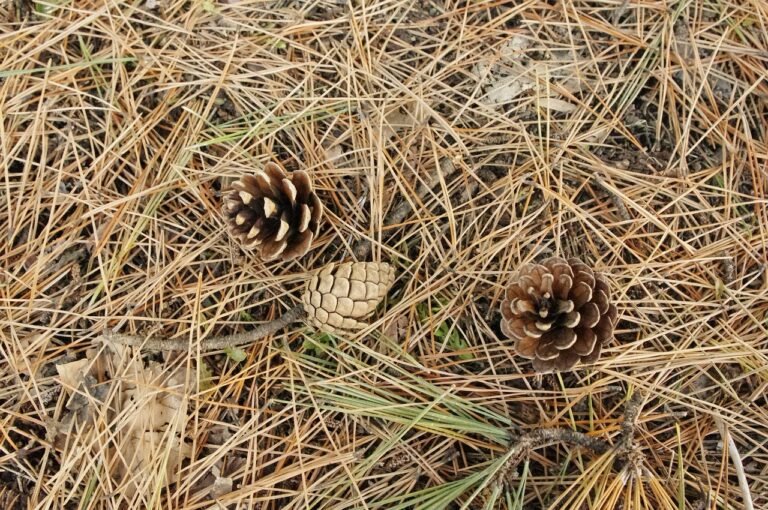
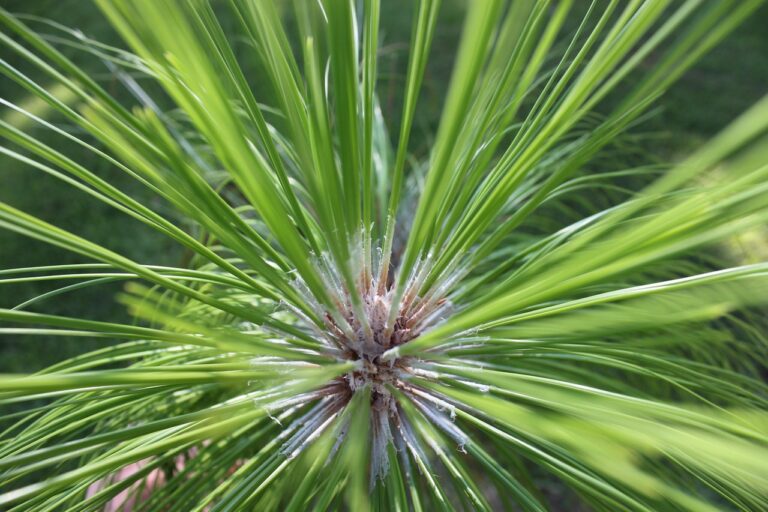
Longleaf pine needles were especially valued because of their length, strength, and flexibility, making them ideal for coiled basket construction. These baskets were not merely utilitarian; they reflected cultural identity, environmental knowledge, and generational skill passed down through observation and practice.


longleaf pine 1546715 1280
pxl 20201109 182210964


While pine needle basketry has deep roots in the Southeastern United States, the coiling technique itself is ancient and globally practiced. Similar basketry methods appear in cultures across Africa, Asia, and the Americas. In the American South, the evolution of pine needle basketry was also influenced by West African basket traditions, brought by enslaved people who carried their craft knowledge across oceans and generations. This blending of cultural practices contributed to the richness and resilience of the art form as it exists today.

A Craft of Coiling and Care

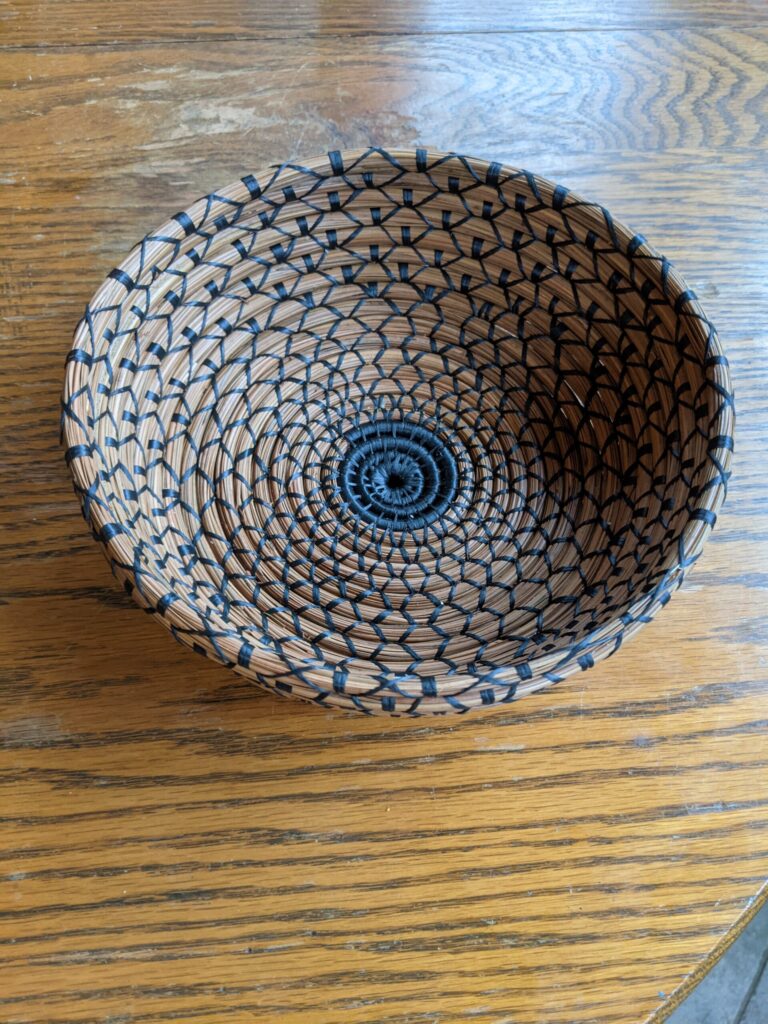
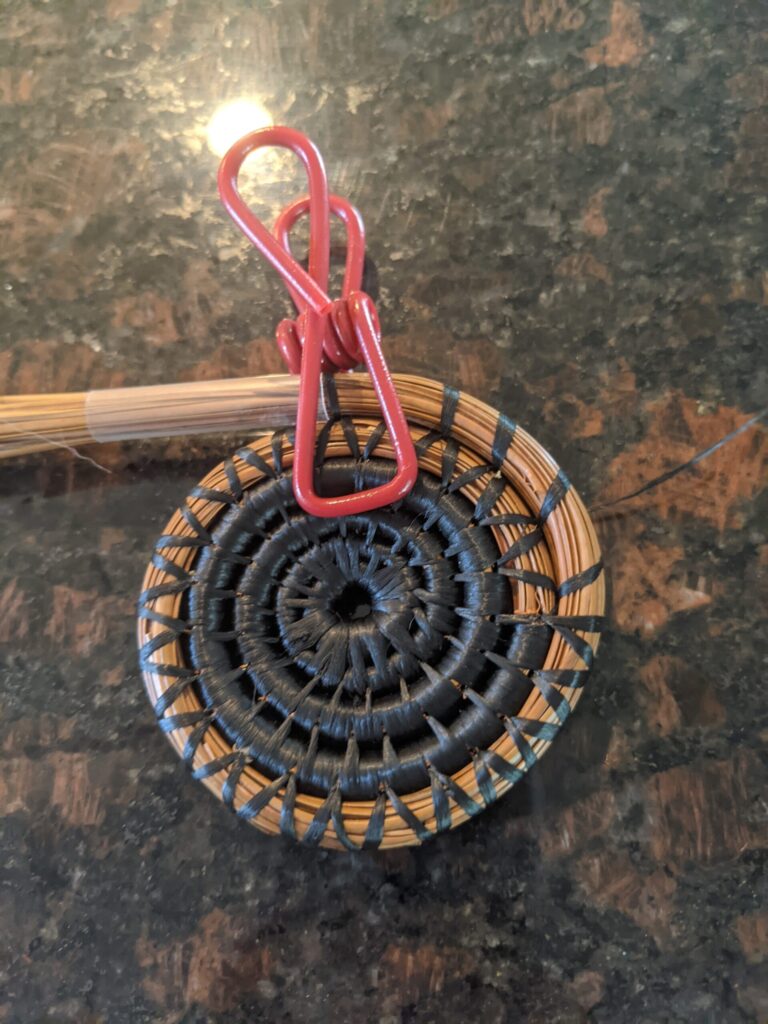
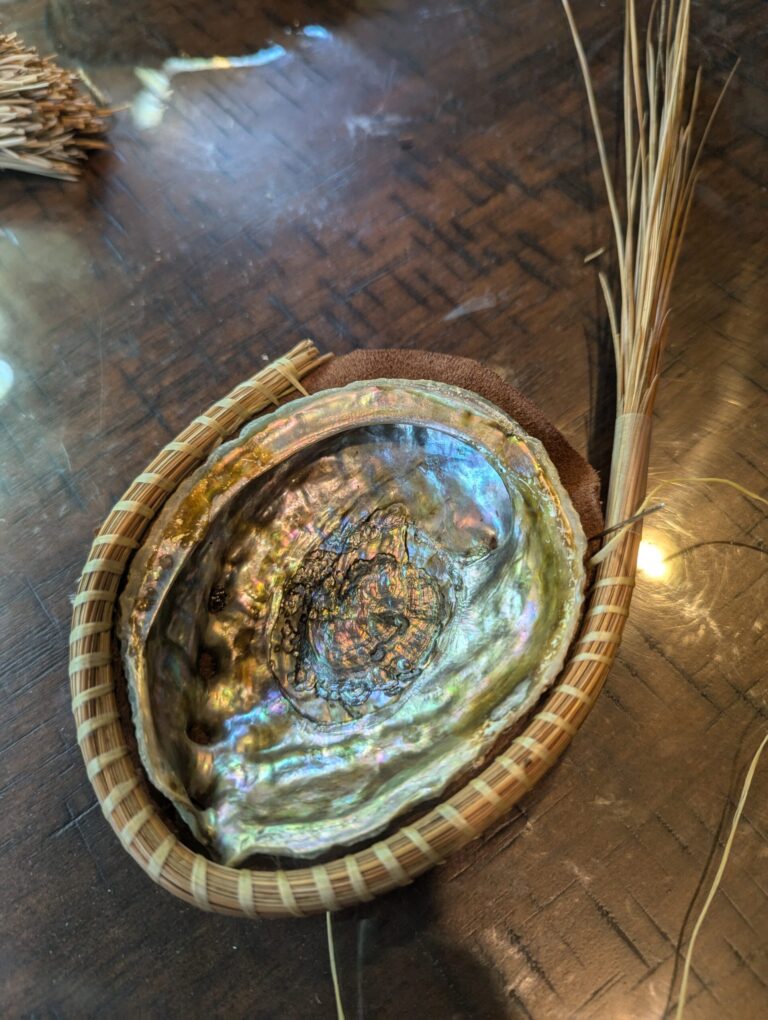
At its core, pine needle basketry relies on a coiling technique. Pine needles are gathered, cleaned, and bundled, then stitched together using thread or fiber. The basket is built gradually, with pine needles added one at a time, wrapped and secured in a continuous spiral.

This process requires patience and attentiveness. Unlike faster forms of weaving or assembly, coiled basketry unfolds slowly. Each stitch matters. The shape of the basket responds to the maker’s hands, tension, and rhythm. There is no rushing the process without losing the integrity of the form.

My Approach to Pine Needle Baskets

The baskets I create at Paint & Stitch Studio begin at the center and grow outward, honoring traditional construction while allowing space for creativity and variation. Some baskets begin with a coiled pine needle center, while others feature a unique centerpiece that anchors the design and tells its own story.

Centerpieces may include:

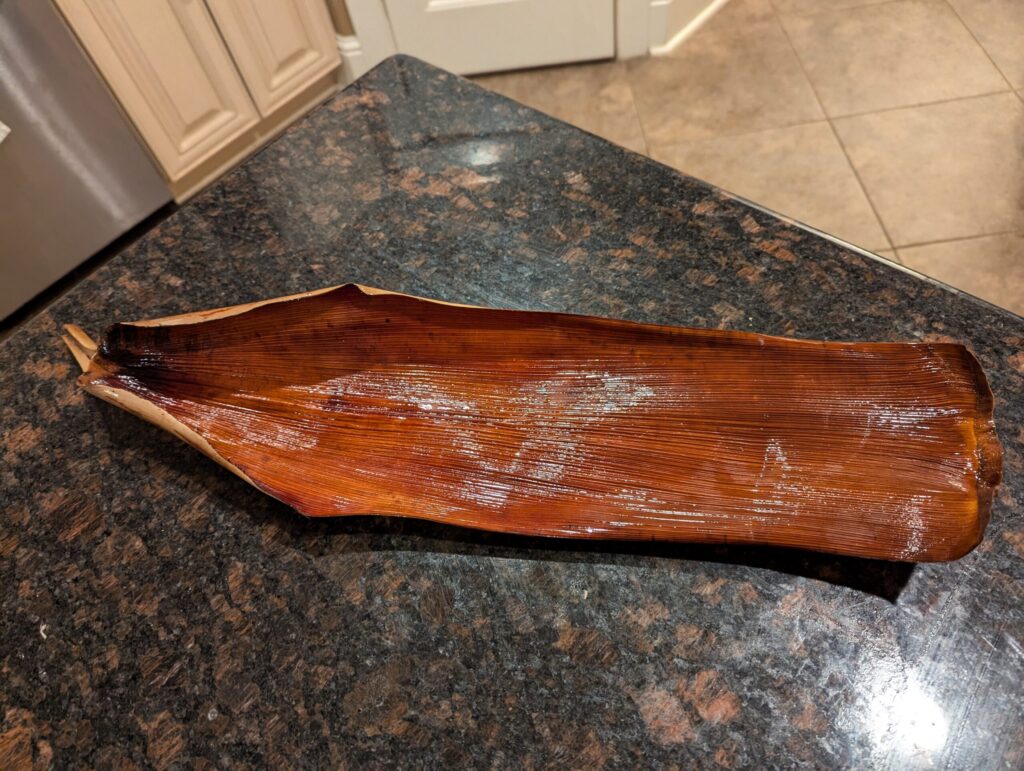
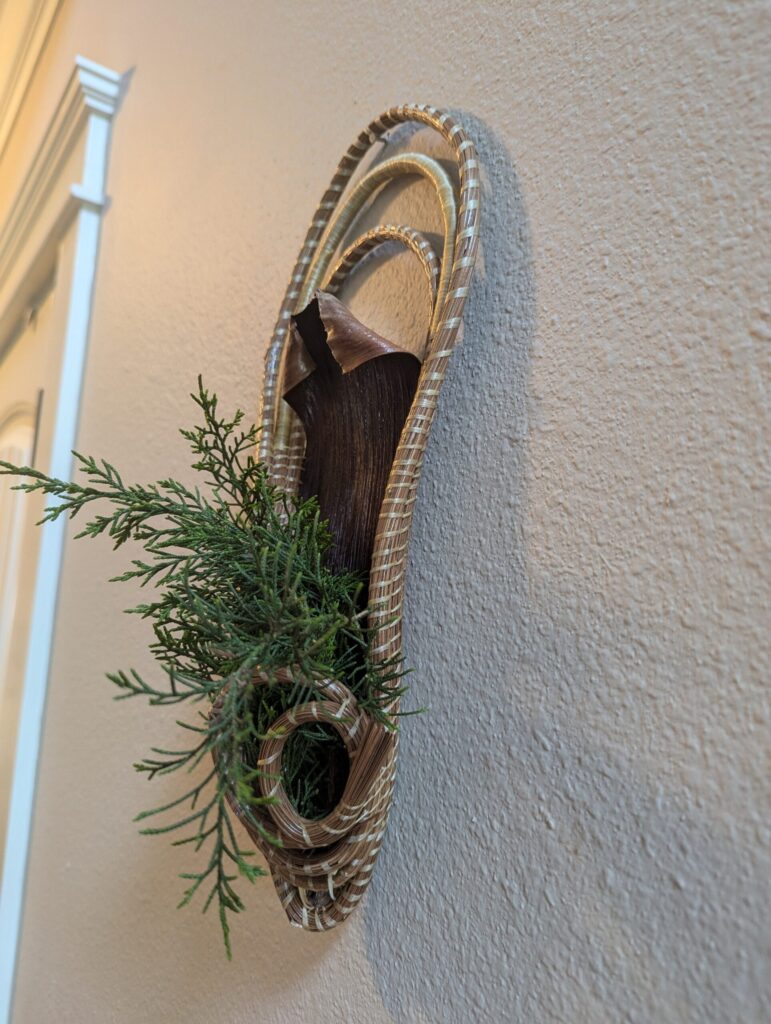
  • Palm sheath, adding organic texture and contrast
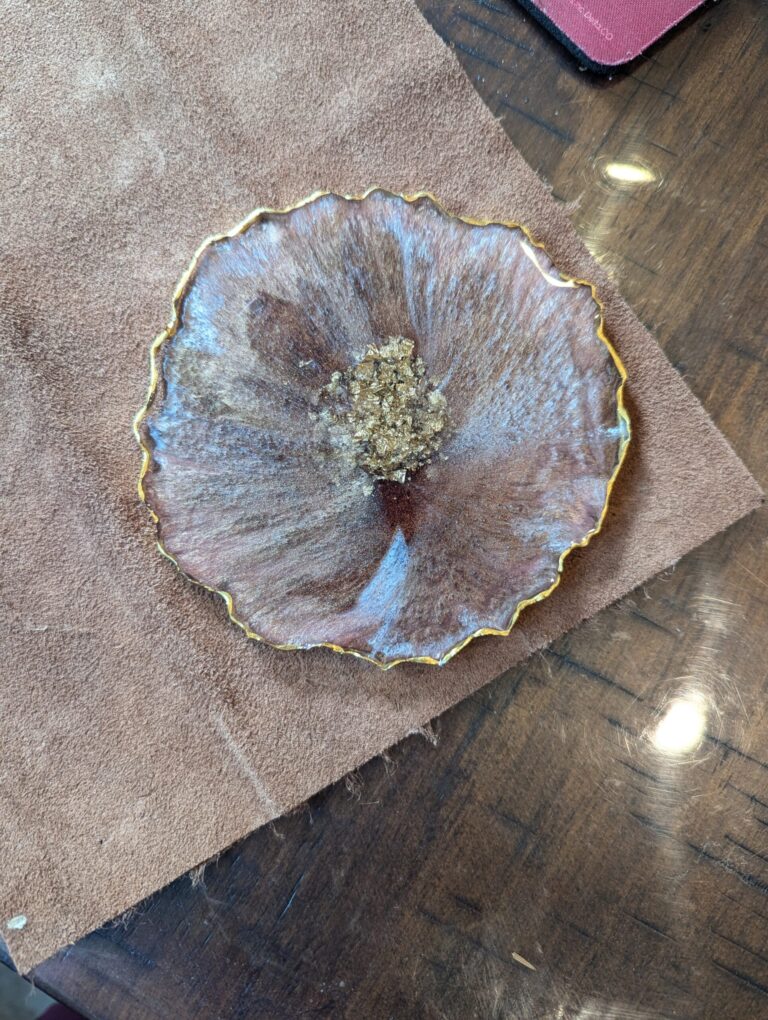
  • Resin centers, offering durability and a modern element
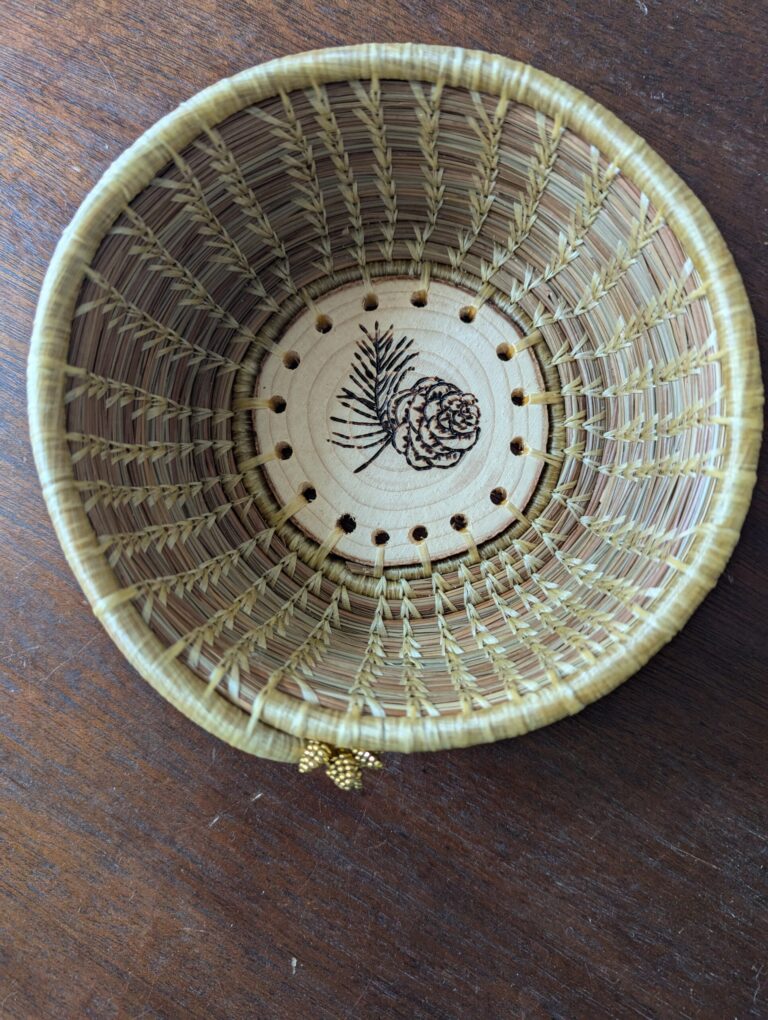
  • Wood-burned wood slices, often featuring natural imagery or symbolic markings
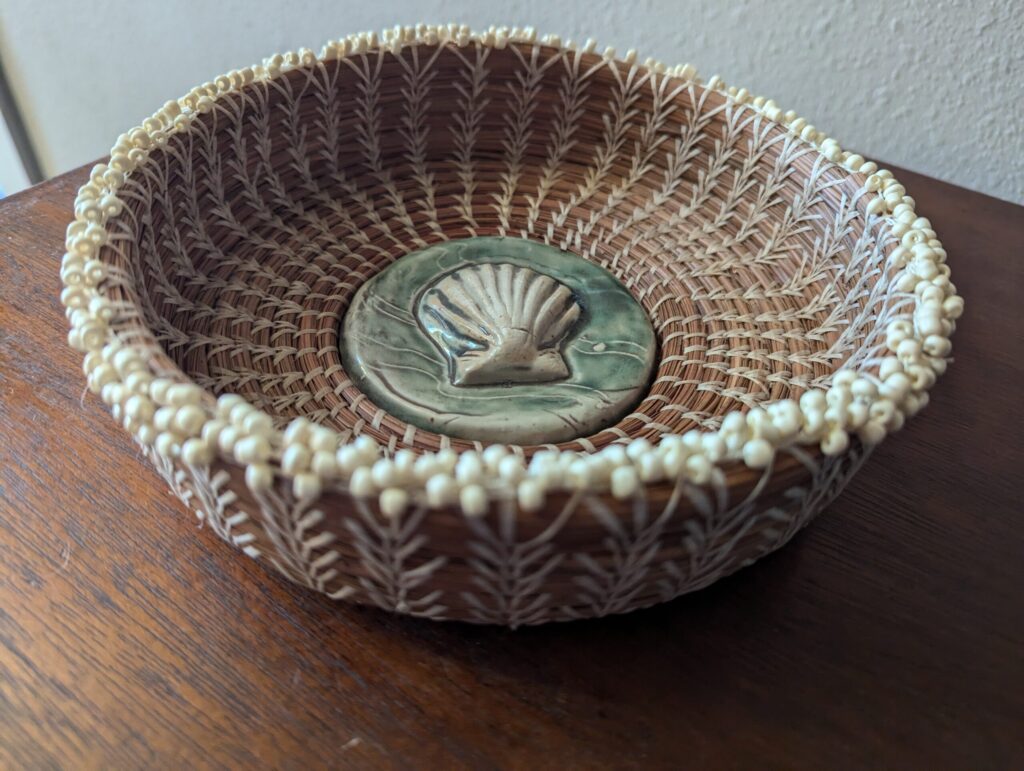
  • Locally made pottery, celebrating regional artisanship and collaboration
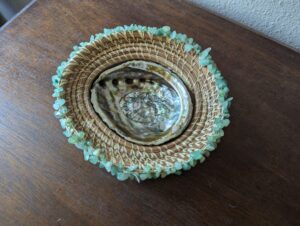
  • Shell, bringing natural texture and a subtle coastal influence

Each center influences the direction, size, and personality of the finished basket. From there, pine needles are carefully added and stitched, layer by layer, forming the walls and shape of the piece.

pxl 20250415 012239052.mp
pxl 20250425 130527603.mp
pxl 20250324 213553037.mp
pxl 20250318 232628298.mp
pxl 20250417 225419726.mp

Carrying Forward Tradition

pxl 20260104 214830122
pxl 20250418 190357269.mp

While my baskets are contemporary in design, they are deeply influenced by the traditions that shaped this art form. Pine needle basketry has survived because it is adaptable—able to honor its origins while evolving with each new maker.

By incorporating natural materials, meaningful centers, and time-honored techniques, I hope each basket becomes not only an object, but a vessel of memory, care, and continuity.

Each stitch holds a story. Each coil builds upon the last. And together, they form something lasting.

pxl 20250420 231100211.mp

Leave a Comment

Your email address will not be published. Required fields are marked *